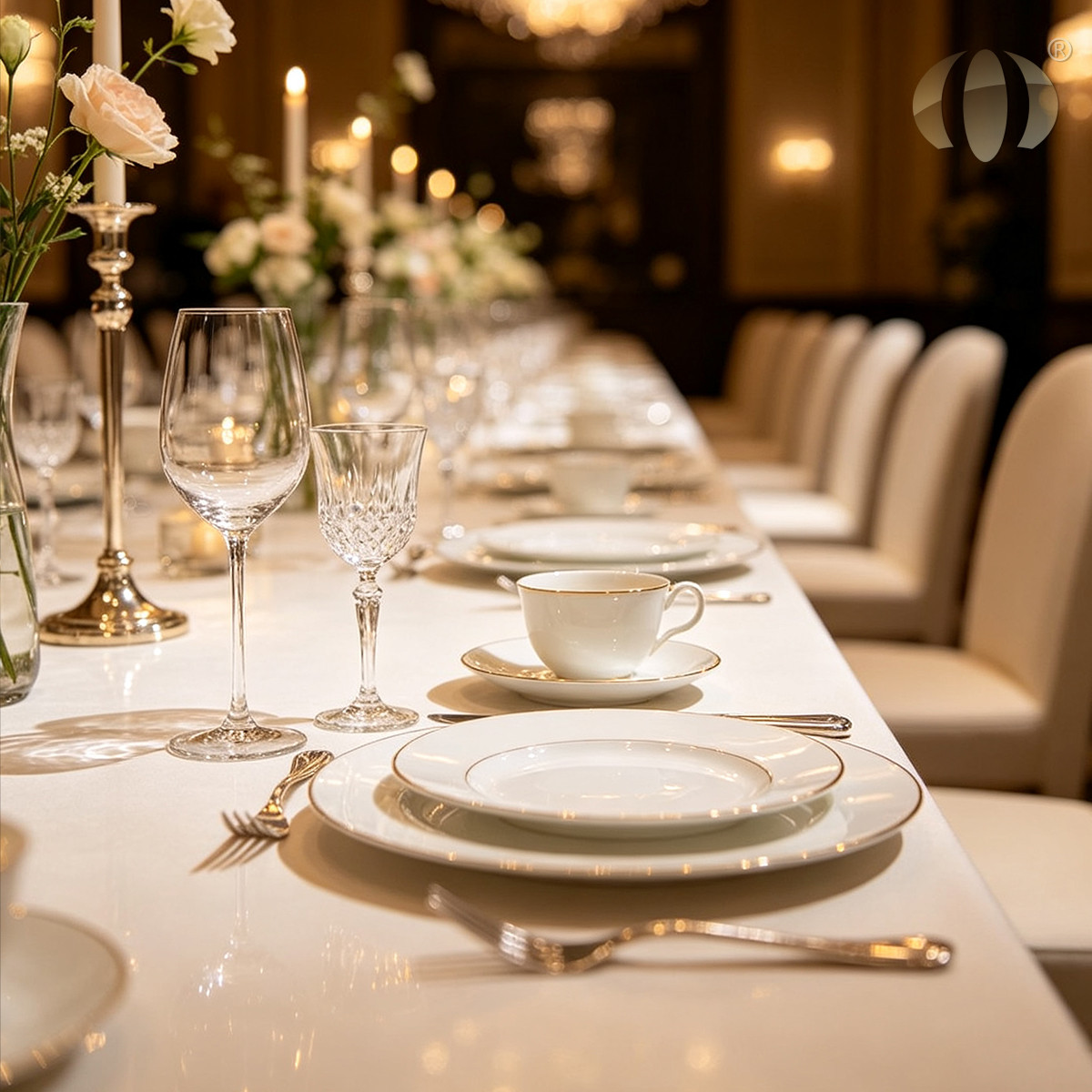
Choosing restaurant dinnerware involves more than checking its appearance or price. For hotels, restaurants, and catering businesses, plates and bowls must withstand frequent washing without losing their color, shine, or quality. That is why specifying dishwasher-safe restaurant dinnerware is an important part of procurement and quality control.
But how can buyers know whether dinnerware is suitable for daily commercial use? The answer lies in defining washing conditions, selecting suitable detergents, testing decoration durability, and setting clear inspection rules.
This guide explains what procurement teams and quality inspectors should check before approving bulk orders.
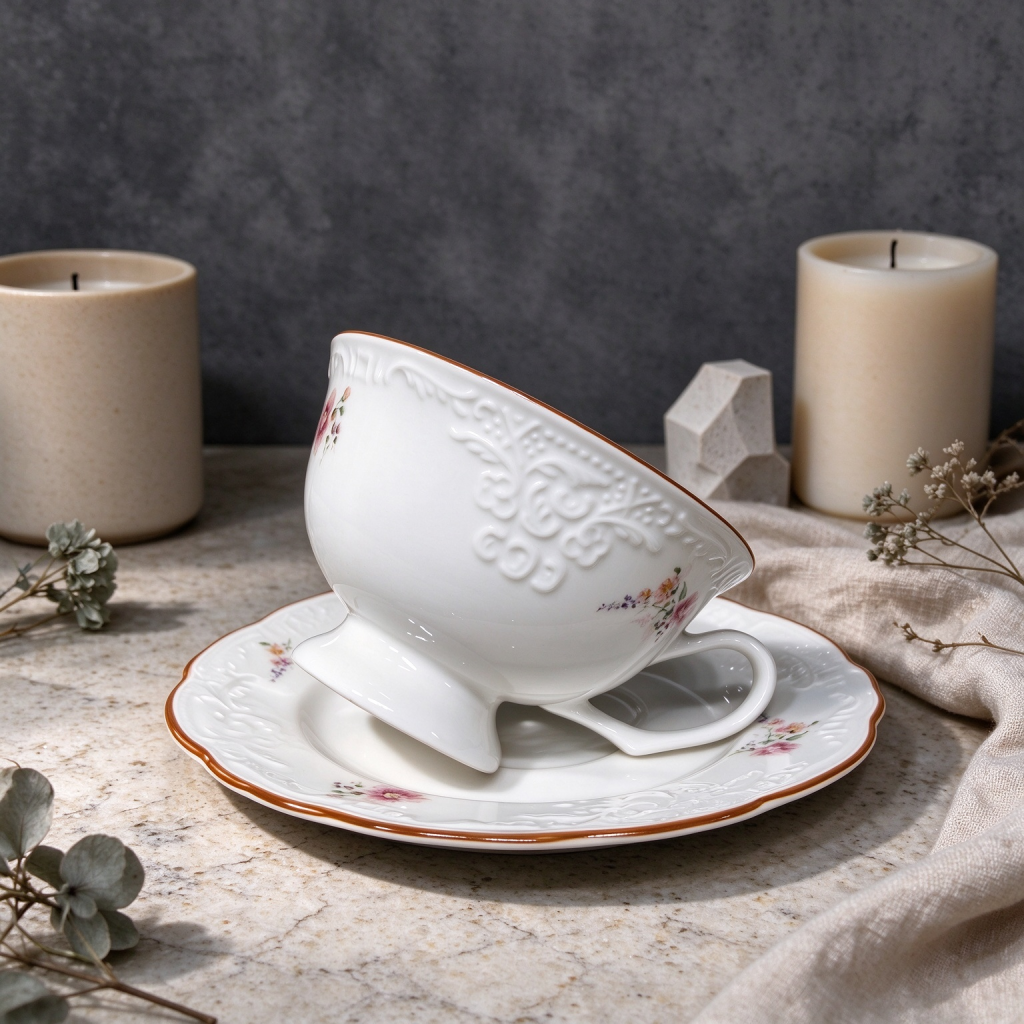
How to Specify Dishwasher-Safe Restaurant Dinnerware Cycles
Not all commercial dishwashers operate in the same way. Some use conveyor systems, while others use rack-based or undercounter machines. Their temperatures, washing times, water pressure, and cleaning methods can differ.
Therefore, buyers should not simply ask suppliers for dishwasher-safe products. They should explain the washing conditions the products must handle.
Essential Dishwasher Parameters
Include these details in your product specification:
Parameter | What to Specify |
Wash temperature | Actual operating temperature |
Final rinse | Required rinse temperature |
Wash duration | Exposure time per cycle |
Detergent | Product type and concentration |
Water hardness | Measured mineral content |
Rinse aid | Product and dosage |
Daily use | Expected washing frequency |
These details help manufacturers understand the real conditions their products will face.
Why Repeated Washing Matters
A plate may look perfect after its first wash but show damage after hundreds of cycles. Repeated exposure to heat, water, chemicals, and contact with other dishes can affect its surface and decoration.
For this reason, buyers should request dishwasher testing under conditions close to their actual restaurant operations. Once the washing cycle is defined, the next step is choosing the right cleaning chemicals.
How Detergents Affect Dishwasher-Safe Restaurant Dinnerware
Commercial dishwasher detergents are designed to remove grease, food stains, and other difficult residues. However, their chemical strength can affect certain glazes and decorative finishes over time.
Choose Compatible Commercial Detergents
Buyers should record the detergent brand, chemical type, concentration, and recommended dosage. Strong alkaline cleaners and chlorine-containing products deserve special attention because some decorative finishes may be sensitive to them.
Avoid assuming that a detergent suitable for one dinnerware collection will work equally well with another.
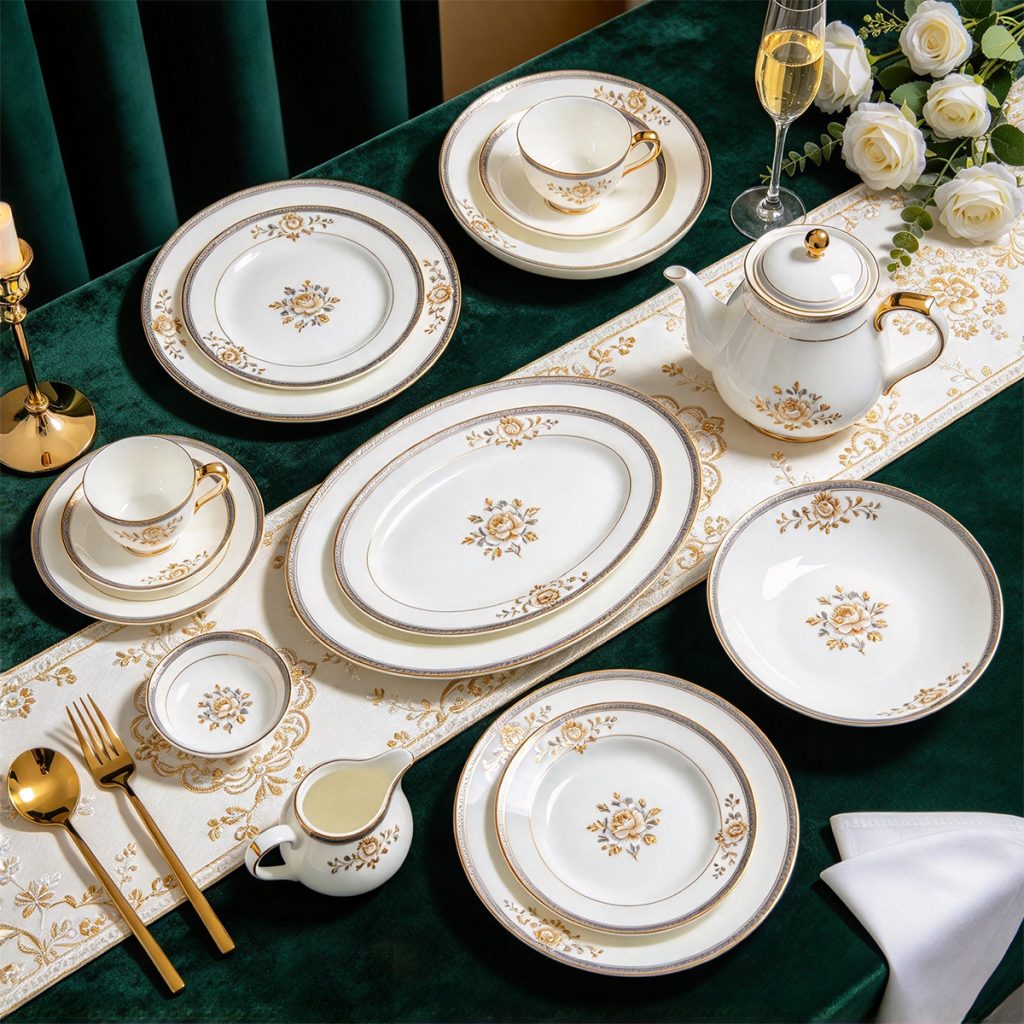
Understand Water Hardness and Rinse Aids
Hard water contains minerals such as calcium and magnesium. These minerals can leave white spots or deposits on plates after washing.
Rinse aids help water drain from surfaces, reducing spots and improving drying. However, the detergent and rinse-aid combination should be tested under actual operating conditions.
A practical test should include the intended detergent, water hardness, washing temperature, and rinse-aid dosage. Record the results and compare washed samples with untreated samples.
But how can buyers prove that these conditions will not damage their products over time? This is where testing standards become important.
Dishwasher-Safe Restaurant Dinnerware Testing Standards
A supplier’s dishwasher-safe claim should be supported by suitable testing and records. Buyers should also understand that food-contact safety and dishwasher durability are two different requirements.
Important Standards Buyers Should Know
Several standards and regulations are relevant when sourcing ceramic tableware:
- EN 12875: Covers mechanical dishwashing resistance testing of household utensils, including relevant methods for evaluating non-metallic articles.
- ISO 6486: Addresses lead and cadmium release from ceramic food-contact articles.
- ISO 2859-1: Provides sampling procedures for inspection by attributes.
- EU Regulation 1935/2004: Establishes general requirements for materials intended to contact food.
- EU Regulation 2023/2006: Covers good manufacturing practice for food-contact materials.
These references serve different purposes. For example, ISO 6486 evaluates chemical safety, not dishwasher durability. Buyers should select the appropriate tests for their target market and product requirements.
How to Conduct Repeated-Cycle Testing
A practical buyer qualification plan may include inspections at 50, 100, and 250 cycles, with additional testing for intensive commercial applications.
These are suggested checkpoints, not universal legal requirements.
During testing, inspect:
- Glaze appearance and surface condition.
- Color changes and decoration fading.
- Cracks, crazing, and surface damage.
- Staining and mineral deposits.
- Changes compared with the original sample.
Keep photographs, batch numbers, machine settings, detergent details, and inspection records. This makes the results easier to review and repeat.
Decoration Limits for Dishwasher-Safe Restaurant Dinnerware
Decoration makes restaurant tableware more attractive and helps hotels create a consistent brand identity. However, not every decoration method offers the same washing resistance.
Understand Different Decoration Methods
- Underglaze: Decoration is applied before glazing. Its durability depends on the materials and firing process.
- In-glaze: Decoration is integrated into the glaze during firing.
- Overglaze: Decoration is applied over the finished glaze and may need extra durability testing.
- Metallic decoration: Gold and platinum details may have special washing restrictions.
Buyers should test each decoration design separately. A plain white porcelain plate passing a washing test does not automatically mean a gold-rimmed version will pass.
Common Decoration and Glaze Defects
Inspectors should look for fading, peeling, uneven color, crazing, pinholes, and surface discoloration. They should also check plate rims and edges for chips.
For custom printed products, buyers should approve a reference sample and define acceptable color variation before mass production.
These checks help prevent attractive samples from turning into disappointing bulk deliveries.
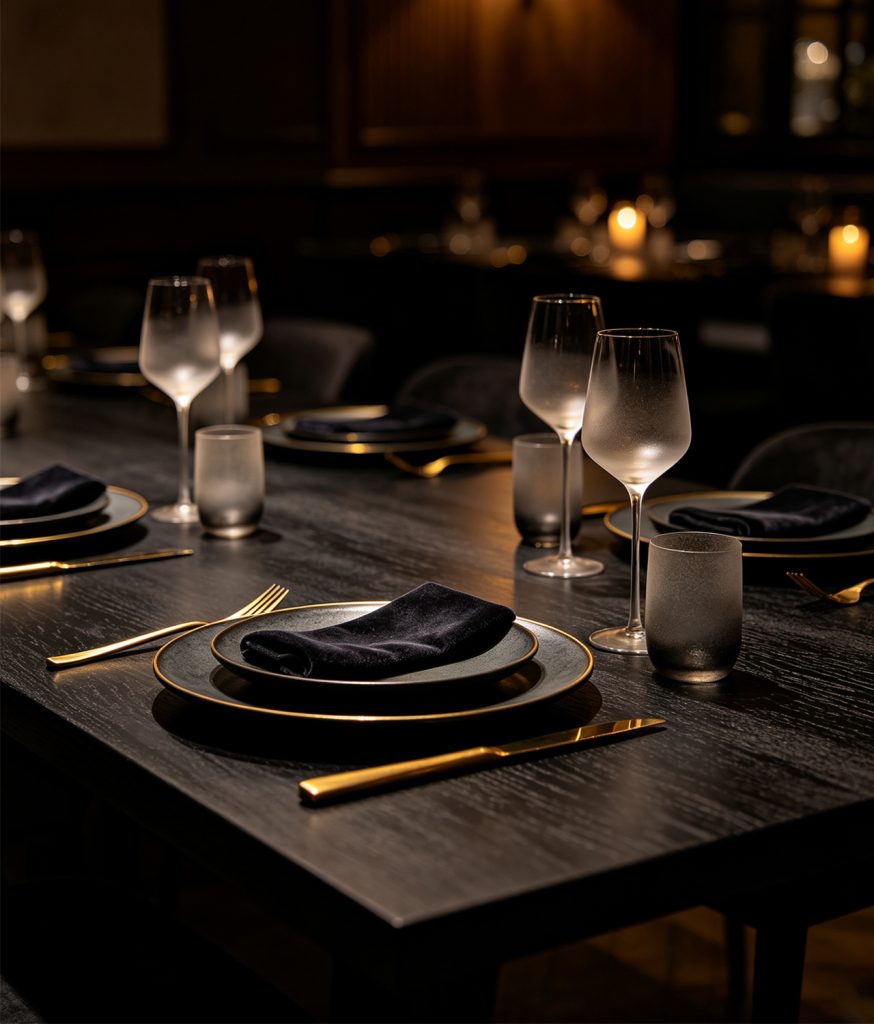
How to Inspect and Approve Dishwasher-Safe Restaurant Dinnerware
Even when a sample passes testing, buyers must make sure mass production meets the same requirements. Random inspections help identify differences between approved samples and delivered products.
Use a Clear Inspection Plan
Inspection should cover product dimensions, weight, shape, glaze quality, decoration, and visible damage.
ISO 2859-1 can help buyers establish sampling plans using AQL. However, AQL is a sampling parameter, not a guarantee that a particular percentage of defective products will be delivered.
Classify Defects Before Approval
Defect Type | Examples |
Critical | Serious food-contact safety failure |
Major | Cracks, significant chips, severe decoration damage |
Minor | Small cosmetic imperfections outside agreed limits |
Buyers should define defect limits and acceptance rules before production begins.
Before approving an order, confirm that the supplier has provided the approved sample, relevant compliance documents, inspection records, and dishwasher test results. This creates a clear basis for accepting or rejecting a shipment.
Why Choose JQY Ceramics for Dishwasher-Safe Restaurant Dinnerware?
Finding the right manufacturing partner is just as important as writing the right specification. Buyers need a supplier that understands product customization, production requirements, and the demands of hospitality businesses.
More Than 20 Years of Manufacturing Experience
Established in 2004, Guangdong Jinqiangyi Ceramics Co., Ltd. has more than 20 years of experience producing tableware for hotels, restaurants, and other hospitality customers.
Its product range includes white porcelain, color glaze, bone china, and melamine tableware, offering buyers different options for their dining environments.
Customization and Manufacturing Capabilities
JQY supports customized patterns, logos, shapes, sizes, colors, and packaging. Its design team works with customers to develop products that match their brand and project requirements.
The company reports a factory area exceeding 150,000 square meters, more than 500 employees, three tunnel kilns, and automated production lines.
For buyers sourcing heavy-duty restaurant dinnerware, these manufacturing resources provide a starting point for discussing product requirements, production consistency, and bulk orders.
However, dishwasher performance should always be confirmed for the specific material and decoration selected.
Whether you need porcelain plates, customized bowls, or coordinated hotel tableware, JQY can discuss your requirements and help identify suitable product options.
Conclusion
Sourcing reliable dishwasher-safe restaurant dinnerware requires more than a simple supplier promise. Buyers should define washing cycles, detergent conditions, decoration limits, testing methods, and inspection criteria before approving bulk production.
Clear specifications reduce quality risks and help ensure that dinnerware meets the demands of everyday hospitality operations.
Looking for a reliable tableware manufacturing partner? Contact JQY Ceramics to discuss your product requirements, customization ideas, and hotel or restaurant tableware projects.
Frequently Asked Questions
1. What makes restaurant dinnerware dishwasher-safe?
It must withstand defined washing conditions without unacceptable damage to its glaze, surface, or decoration.
2. How many dishwasher cycles should dinnerware pass?
Buyers should set cycle targets based on intended use and an agreed testing plan.
3. Can decorated plates go into commercial dishwashers?
Some can, but decoration type and chemical resistance must be tested.
4. Is food-contact safety the same as dishwasher resistance?
No. Food-contact testing checks chemical safety, while dishwasher testing evaluates durability during repeated washing.