Quick Answer: Use commercial porcelain as a starting point for general indoor dining, consider bone china where refined presentation and handling weight matter, and evaluate melamine for suitable cold-service, outdoor or handling-intensive applications. None is universally best: the right choice depends on the finished product, food temperature, washing process, service style and replacement arrangements.
A hotel may benefit from different materials in its restaurant, banquet hall and poolside outlet. The aim is not to select one material for every department, but to build a tableware program that supports the guest experience without creating avoidable operating restrictions.
The recommendations below are procurement guidance, not a tested ranking of particular collections.
Porcelain, Bone China and Melamine: What Changes in Service?
Material affects appearance and handling, but the shape, thickness, rim and finish of each item also influence performance.
| Material | Reasons to shortlist it | Important limitations | Potential hospitality applications |
|---|---|---|---|
| Porcelain | A ceramic presentation that works across many menus; plain and decorated options | Can chip or break; heating and washing permissions depend on the item and decoration | General dining, restaurants, guest plates and banquets |
| Bone china | A refined appearance, translucency and potentially lighter construction | Thin appearance does not establish fragility or strength; care instructions remain product-specific | Premium dining, afternoon tea and formal events |
| Melamine | Often lightweight and less prone to shattering than ceramic alternatives | Not for microwave heating; food-contact temperature, cleaning and surface condition require particular attention | Suitable cold displays, outdoor service and selected high-handling applications |
Porcelain: a practical comparison baseline
Porcelain tableware is a useful starting point when a property wants a consistent ceramic presentation across several outlets. A plain white range can accommodate different menus, while decorated pieces can create a more distinctive setting.
However, “porcelain” does not establish commercial durability. A broad plate with a thin exposed rim may behave differently from a compact plate with a reinforced profile. The public scope of ASTM C368 identifies rim contour, thickness and glaze fit among the factors influencing ceramic impact-test results.
For purchasing, compare the actual dinner plate, bowl and cup—not just a material label or a demonstration using a different shape.
Bone china: appearance without a simple strength ranking
Bone china contains bone ash and is associated with lightness and translucency, as explained in Wedgwood’s material guide. These characteristics can support a refined table setting, especially when guests handle cups and smaller pieces directly.
Bone china is not automatically too fragile for hotels, nor is it automatically more durable than porcelain. Finished-product construction and evidence matter more than either assumption. Compare equivalent shapes and usable serving areas; a lighter plate is not necessarily a smaller or less capable plate.
Melamine: useful handling advantages, different operating boundaries
Melamine tableware is a resin-based alternative to ceramic dinnerware. Its handling characteristics can make it attractive for outdoor outlets and large cold-service pieces, but it must not be treated as a substitute for ceramic cookware.
The FDA advises against microwave heating in melamine tableware and discusses increased migration under high-temperature, highly acidic conditions. Germany’s BfR guidance is more precautionary, recommending against melamine-formaldehyde tableware for hot-food contact and microwave heating.
These sources have different wording and jurisdictional contexts. For procurement, reserve melamine for uses supported by the exact product instructions and destination-market requirements; cold or lukewarm service is the more conservative application. Do not interpret a dishwasher temperature rating as permission for food contact at the same temperature.
What Makes Tableware Suitable for Commercial Use?
Direct Answer: Commercial suitability means that a particular item can meet the operation’s food-contact, handling, washing, service and replenishment requirements. A “hotel grade” description alone does not establish those capabilities.
Four relationships matter:
- Food and surface: The finished item, including its glaze or decoration, needs food-contact evidence appropriate to the destination market and intended use. For example, U.S. FDA ceramic-foodware guidance addresses extractable lead; it is not a worldwide approval for every ceramic product.
- Item and handling: Rim design, weight, balance and stack stability affect carrying, clearing and storage. Impact resistance and resistance to abrupt temperature changes are separate questions.
- Item and equipment: Plates must fit racks, shelving, trays and any approved warming equipment. Dishwasher-safe wording should be checked against the actual commercial wash-and-sanitize cycle.
- Range and purchasing: A beautiful opening order becomes difficult to manage if replacement pieces are unavailable or later batches do not match acceptably.
Hotels and restaurants should choose commercial tableware in four stages: map the service conditions, shortlist suitable materials and shapes, trial the exact items in the operation, and compare delivered cost with replenishment terms. This sequence prevents an attractive sample from becoming an unsuitable bulk purchase.
Start with the menu and workflow. Identify whether food is plated hot, reheated on the plate, displayed cold or held under heating equipment. Then define the guest-facing appearance and practical limits, including carrying weight and storage space. Eliminate incompatible products before comparing decoration and price.
Bone China vs. Porcelain: Cost, Durability and Appearance
Direct Answer: Neither bone china nor porcelain is universally better for hotels. Bone china is worth considering for a light, translucent presentation; porcelain remains a strong comparison option for versatile ceramic service. Cost and durability must be compared at the collection and item level.
| Decision factor | What to compare | Purchasing implication |
|---|---|---|
| Appearance | Body color, translucency, rim profile and decoration under dining-room lighting | Select the effect that supports the menu and venue rather than assuming a material is inherently more luxurious |
| Handling | Actual weight, balance and grip of equivalent pieces | Assess a loaded tray and a full place setting, not only an empty plate |
| Durability | Comparable impact/chipping evidence and an operational trial | Do not infer service life from translucency, thickness or material name alone |
| Care | Instructions for the exact body, glaze and decoration | Metallic decoration or special finishes can change the permitted workflow |
| Cost | Like-for-like quotations, opening stock and replacement terms | Avoid comparing a plain standard item with a customized premium design |
Care permissions cannot be transferred between brands. For example, Wedgwood’s care guide distinguishes dishwasher labeling, metallic decoration and specific oven/freezer permissions. The procurement lesson is to check the exact item—not to assume those instructions apply to another supplier’s bone china.
No comparable three-material quotation set is available for this guide, so a fixed price hierarchy would be misleading. Shape complexity, decoration, order quantity, packaging and freight can change the result.
A useful purchasing calculation is:
Period tableware cost = delivered opening inventory + customization/tooling + replacement purchases + attributable operating costs.
Apply the same period and service assumptions to each quotation. This is a comparison framework, not a prediction of breakage or savings.
Choosing Tableware for Buffets, Banquets and Busy Restaurants
Buffet restaurants: separate display, eating and heating
The best material for a buffet depends on the station: porcelain is a sensible starting point for guest plates, while suitable melamine pieces may serve cold displays. Heated service requires items expressly suitable for the relevant food-contact and equipment conditions.
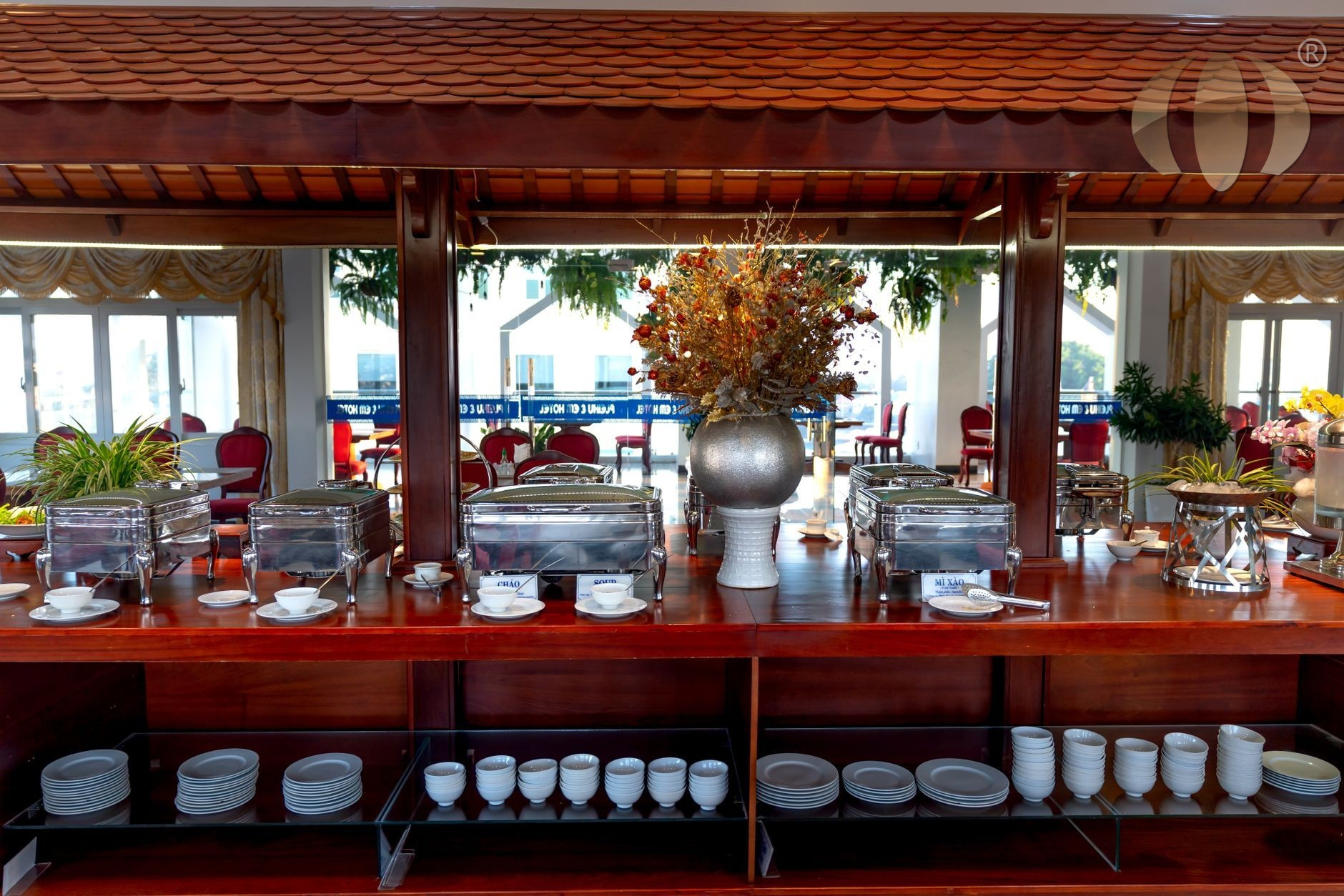
A buffet is not one operating environment. A cold salad bowl, a guest’s dinner plate and a vessel placed in heated equipment have different requirements. Large serving pieces also need assessment for loaded weight, stability and ease of replenishment.
Do not place melamine in an oven, microwave or heated holding application simply because its published specification includes a high temperature number. Distinguish material tolerance from authorized use.
Banquets: match presentation to the handling system
For formal banquets, shortlist both bone china and porcelain: bone china can support a refined, light presentation, while an appropriate porcelain range may meet the same event brief. The better choice is the range that also fits stacking, carrying, washing and replenishment needs.
Evaluate a complete setting on the actual table. Check whether chargers reduce usable space, whether rims interfere with food presentation, and whether staff can carry the planned plate load comfortably. Where plate warming is part of service, obtain product-specific permission rather than assuming all ceramic pieces qualify.
A small difference in handling becomes more consequential when staff repeat the task across a large event.
High-traffic restaurants: choose by the dominant service demands
For high-traffic indoor restaurants, a well-supported commercial porcelain range is a useful baseline; melamine can be appropriate in compatible outdoor or cold-service zones. The best-performing choice is the individual range that meets the workflow, not the material with the strongest marketing claim.
Porcelain is generally the more versatile starting point when the restaurant wants ceramic presentation and may require product-approved heating. Melamine becomes more attractive where carrying weight and resistance to shattering are priorities, provided its food-contact and cleaning restrictions fit the service.
A mixed-material program can work, but visually similar pieces with different heating permissions need clear storage and staff identification. Otherwise, operational confusion can outweigh the benefit.
Evaluate Samples in the Actual Restaurant Workflow
A sample trial should answer practical questions that photographs and catalog descriptions cannot.
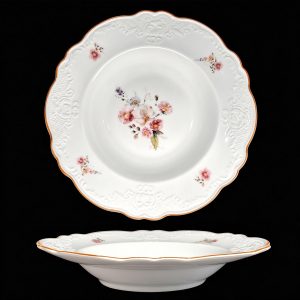
- Plate a representative dish: Check usable food area, sauce containment and cutlery interaction. Overall diameter alone does not show how much room the chef has.
- Carry and clear a realistic load: Observe balance, grip and loaded weight. Assess the task staff actually perform.
- Stack in the intended location: Check stability, shelf clearance and separation between pieces. Poor stacking can create handling damage or reduce storage capacity.
- Run the approved washing process: Follow the supplier’s instructions, then inspect drying, staining, marking and surface condition. A short trial can reveal problems but does not prove years of service life.
- Compare multiple samples: Look for rocking bases, finish differences and inconsistent dimensions that could affect presentation or equipment fit.
Request laboratory evidence separately where needed. A casual drop demonstration is not equivalent to a documented impact test, and an operational washing trial is not a food-contact migration test.
Choosing a Tableware Supplier in China
A factory, trading company or wholesaler can be suitable. The important distinction is who controls the specification, coordinates production, performs inspection and supplies replacements.
| Supplier model | Potential purchasing value | Point to establish |
|---|---|---|
| Factory | Direct discussion of production and customization | Which proposed materials and processes are actually handled in-house? |
| Trading company | Consolidation across materials or production partners | Who takes responsibility for consistency, inspection and corrective action? |
| Wholesaler | Access to stocked ranges and smaller replenishment orders | How much matching stock is maintained, and what happens when a range changes? |
When evaluating a tableware manufacturer in China, do not assume factory status guarantees the lowest price or best quality. Compare responsibility, evidence and service against the order’s needs.
Jinqiangyi advertises porcelain, bone china and melamine collections and customization options covering elements such as logos, patterns, colors, shapes and packaging. These offerings make it a supplier to consider for a multi-material brief, rather than evidence that every collection suits every hotel workflow.
Its bone china category states 45% animal bone ash. Its white melamine plate page lists −20°C to +120°C, but also gives narrower food-use instructions and excludes microwave and oven use. Treat these as supplier-published descriptions, not independent composition or performance results; the temperature range is not blanket permission for hot-food contact.
For a recommended-supplier shortlist, prioritize product-matched reports, clear commercial washing instructions, representative samples and written replacement terms. If project experience matters, request permission-cleared references with dates, supplied products and repeat-order evidence. A hotel-name list alone does not establish a long-term supply record.
FAQ
Can one material serve an entire hotel?
Possibly, but it is not necessarily the best operational choice. A property with formal dining, cold buffets and outdoor service may benefit from different materials, provided staff can distinguish their care and heating requirements.
Does “dishwasher safe” mean suitable for every commercial dishwasher?
No. Confirm compatibility with the actual detergent, wash-and-sanitize cycle and loading method. General household or top-rack wording does not establish suitability for a hotel’s commercial process.
Is bone china suitable when animal-derived materials are restricted?
Traditional bone china contains animal bone ash. Where this conflicts with guest expectations or procurement policies, request a composition declaration and consider a verified alternative. A material name alone is not religious certification.
Conclusion
Choose porcelain, bone china and melamine by service conditions and finished-product evidence, not by a universal ranking. Porcelain is a useful general-service baseline, bone china offers a distinctive presentation option, and melamine can solve selected handling needs within its food-contact and heating restrictions.
Next step
Send your shortlisted supplier one outlet-based brief covering quantities, menu temperatures, heating equipment, commercial washing cycle, appearance and replacement needs. Request matched samples and a like-for-like quotation before committing to the bulk order.
Sources and review note
This guide draws on the supplied research dossier and the linked supplier publications, technical summaries and agency guidance. Material descriptions explain selection factors; supplier pages describe advertised offerings; ASTM’s public summary explains a test’s scope rather than proving any product passed it.
FDA and BfR guidance is attributed to its respective context, not presented as worldwide compliance approval. No original testing, independently verified project case study or comparable supplier price study is reported here. Final suitability depends on the selected item, decoration, intended use and destination market.